

Mainstream American comics are not in good shape, no matter how many press releases celebrate “growth” in the wider comics market. The real story is that the classic single issue model that once made Marvel and DC cultural giants is losing new readers while other formats and business models move ahead. The old system looks strong from a distance, but up close it resembles a brand that is coasting on past glory while its audience quietly walks away.
Industry studies in recent years have shown that single issue sales in the North American direct market have been sliding since the mid‑2010s, with a sharp drop around 2017 as readers drifted elsewhere. At the same time, graphic novels and manga in bookstores saw explosive growth, with one report noting a 123 percent jump in that segment in a single year between 2020 and 2021. That split tells a simple story: money is flowing into comics as a medium, yet the traditional floppy that built the big two is becoming a niche product rather than the backbone of the business.

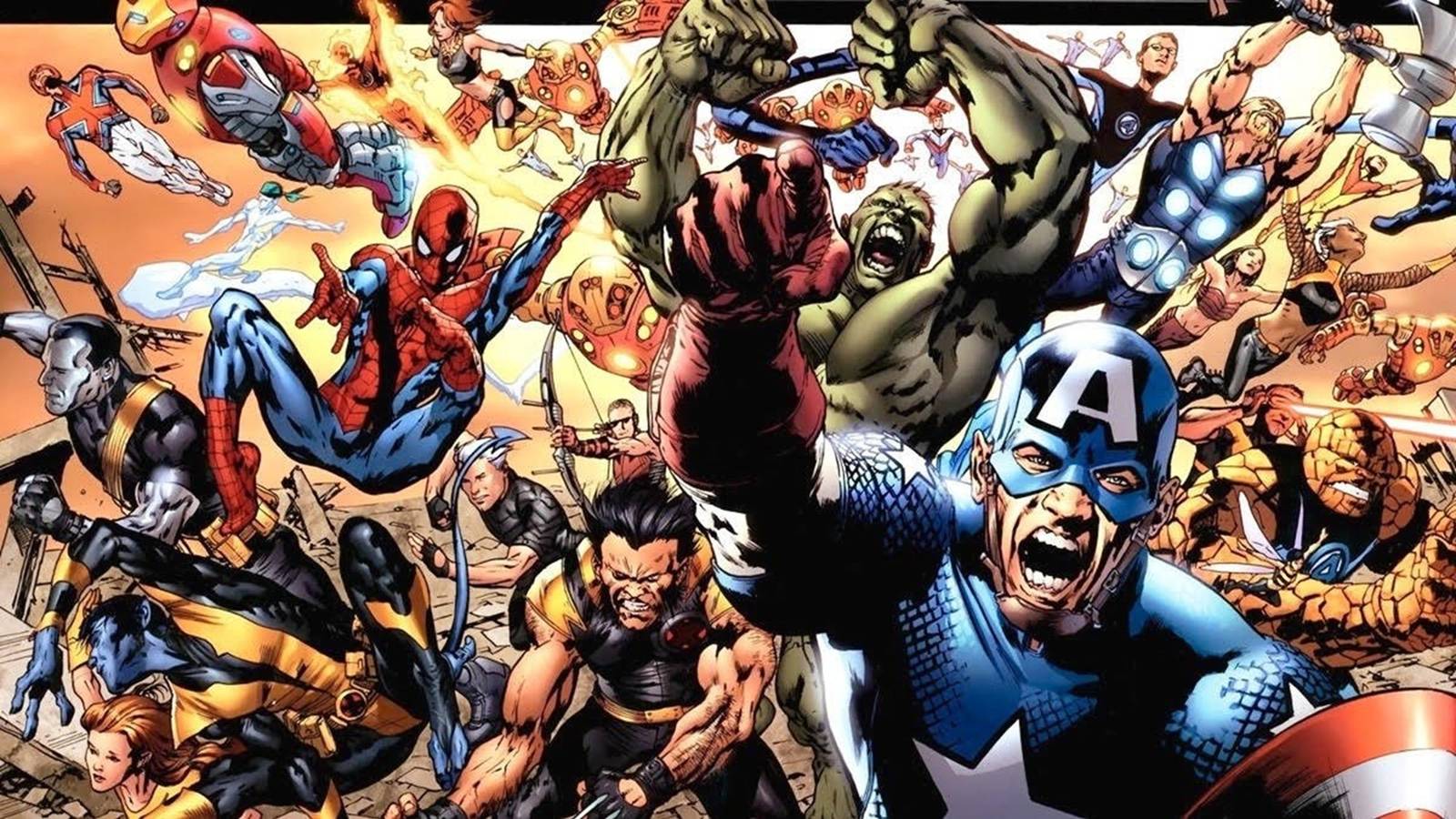
The core problem is that Marvel and DC have made their own universes nearly impossible for newcomers to enter. Take Spider‑Man as the most obvious example. On paper he is supposed to be a relatable teenager dealing with power and responsibility. In practice, a new fan who loved a recent film walks into a shop and sees a wall of Spider‑Man titles with different versions, timelines, and tones, none of which match the movie. Faced with multiple universes, endless reboots, and a mountain of backstory, many people do not “pick a lane” at all. They put their wallet away and leave. That confusion helps explain why the Marvel movies can claim global box office records while the monthly books tied to those same brands cannot convert that attention into steady sales.
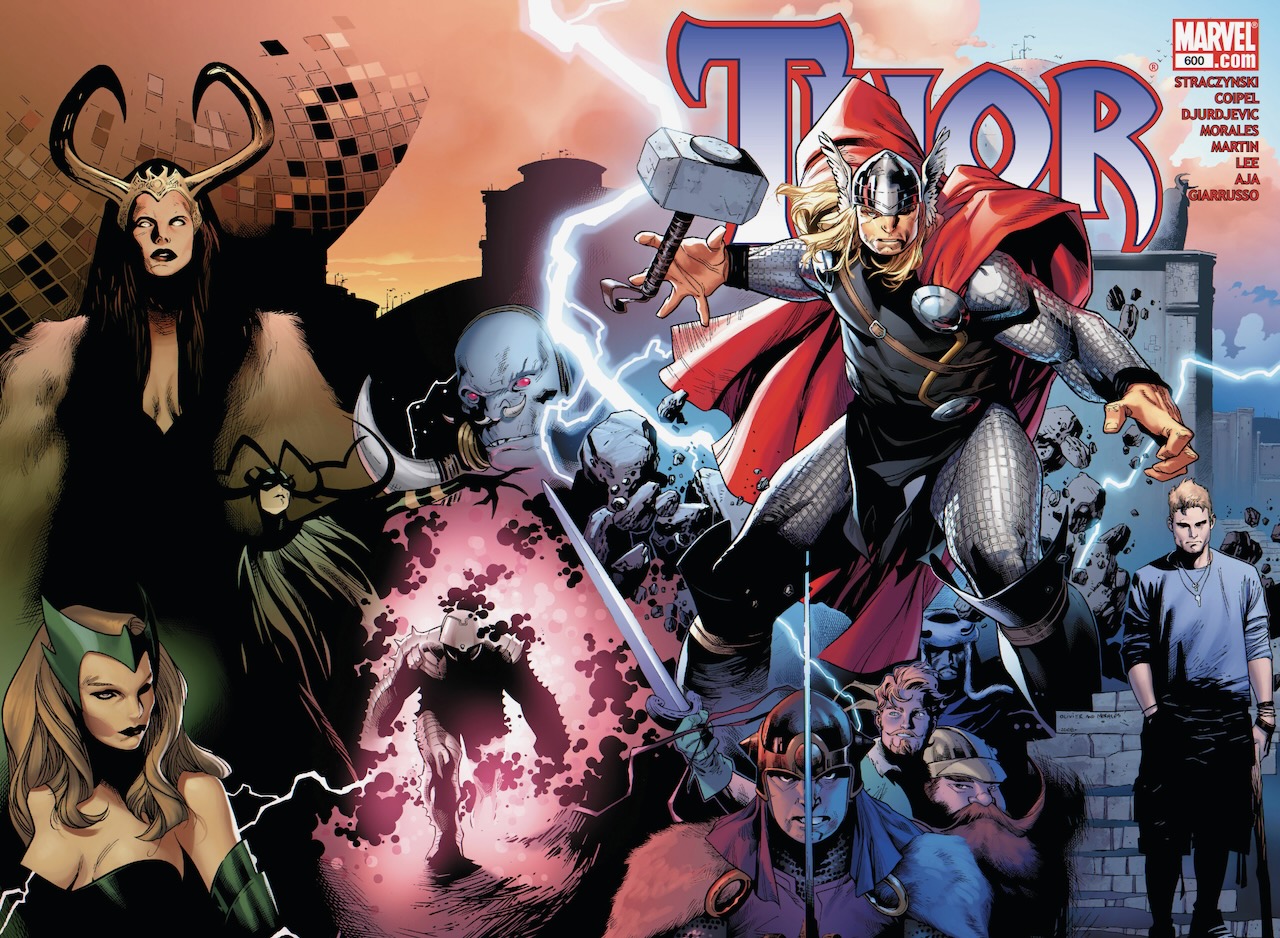
On top of that, the big publishers have leaned into event culture as their main business engine. Instead of clean, one‑and‑done stories or tight limited series, readers are handed sprawling crossover events that sprawl across dozens of titles. To follow one plot, a customer is pushed into buying tie‑ins, one‑shots, and side minis just to avoid missing key chapters. That turns reading into a scavenger hunt with a high price tag, not an inviting hobby for middle‑class families already navigating inflation and rising entertainment costs. These events do not feel like long‑term investments in new readers. They feel like a strategy to squeeze a shrinking loyal base just a little harder each year.

Digital distribution could have been the lifeline that changed everything, yet American publishers have treated it like a threat to the old system rather than an opportunity to grow. Subscription services offer large back catalogs for a monthly fee, but new issues are held back for months. In a media environment where fans expect to participate in online buzz the moment a story hits, making them wait a quarter of a year for “new” content is an invitation to check out and move on. Meanwhile, manga platforms provide near‑simultaneous digital access, keeping young readers in the habit of showing up each week for fresh chapters. The difference is not technology. It is attitude.
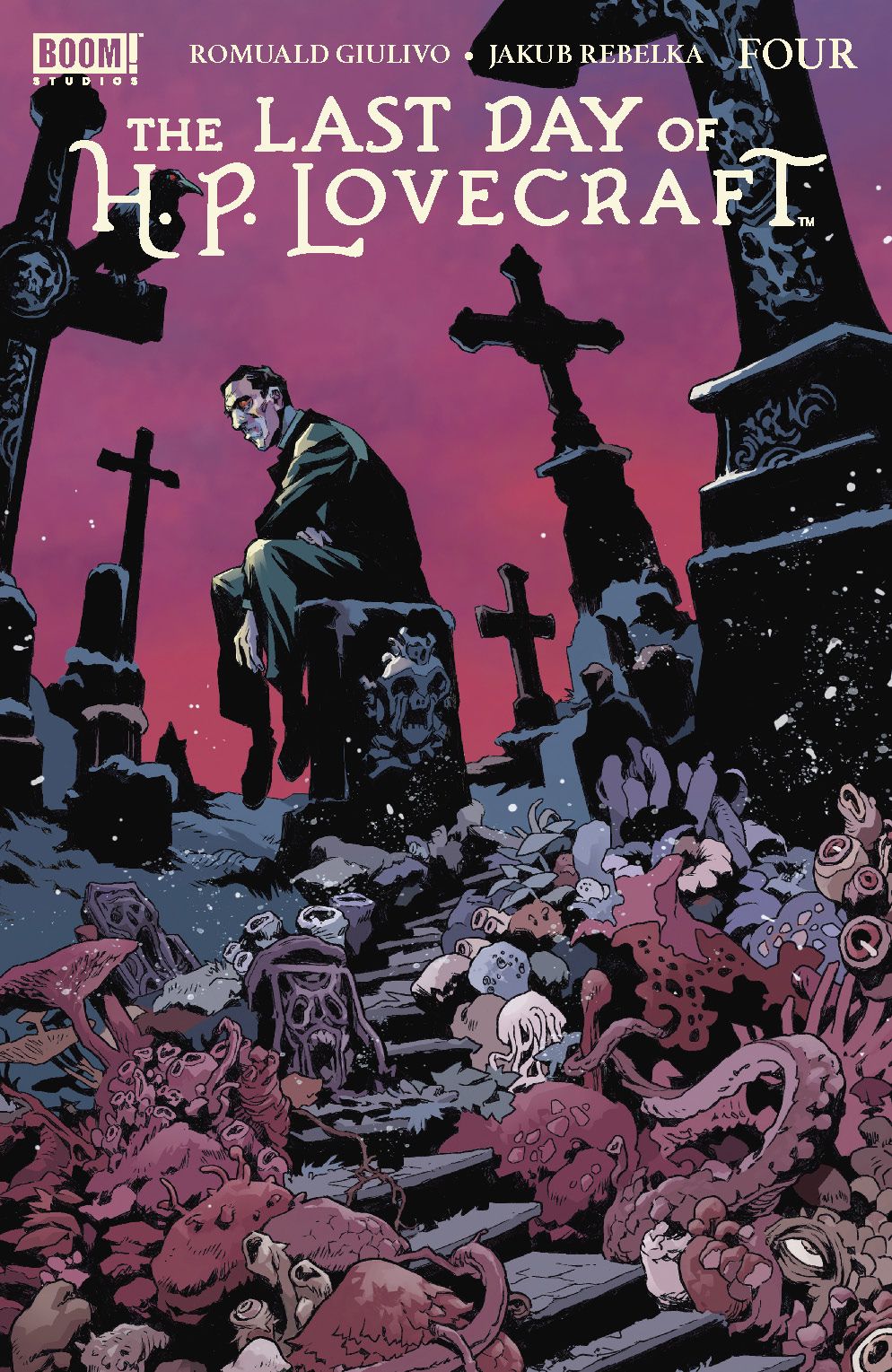
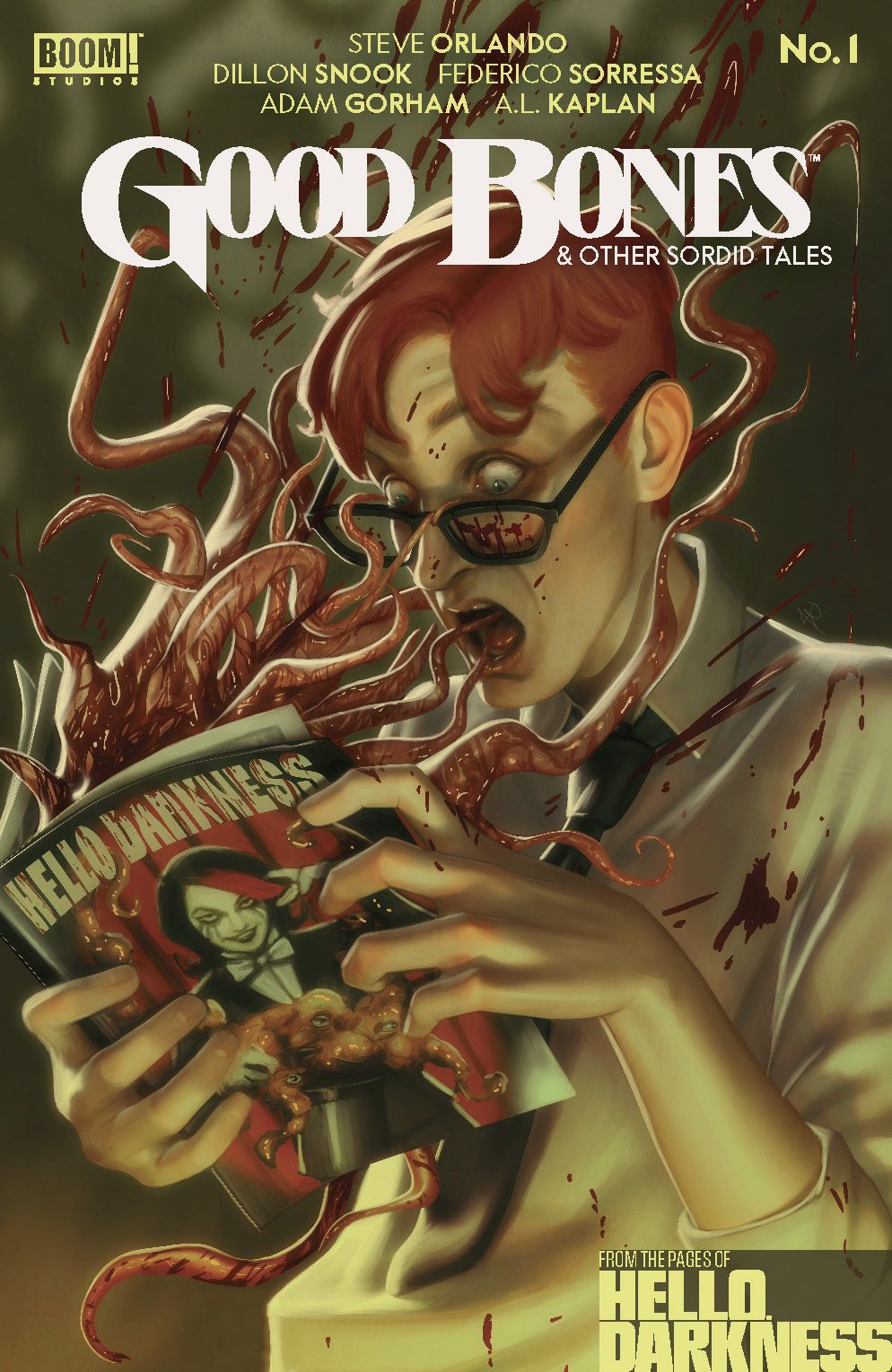
There is, however, a lesson hiding in plain sight. Independent publishers and creator‑owned lines have found loyal audiences by offering stories with clear beginnings, middles, and endings. These books respect the reader’s time and wallet. New customers can jump into a volume knowing they are not signing up for decades of homework just to understand why two people in capes are punching each other on page one. That same preference shows up in the boom in graphic novels and manga, where readers vote with their money for complete, accessible narratives over confusing webs of continuity.

This is where crowdfunding enters the picture as the most promising escape route from the old trap. Crowdfunded comics on platforms like Kickstarter, Fund My Comic, and similar services give creators a way to go directly to readers without asking permission from corporate middle managers who are terrified of taking responsibility for creative risks. Backers know exactly what they are getting. A single graphic novel. A short series with a fixed length. A story that ships when it is done. Creators own the work. Readers decide whether it is worth supporting. When a project succeeds, the money goes to the people actually making the book instead of being swallowed by a giant apparatus that keeps telling fans to wait for the next reboot.
Crowdfunding also solves the problem of trust in a way that big publishers no longer can. Fans who have been burned by bait‑and‑switch events or shallow relaunches can look at a campaign page, see the pitch, preview pages, and track record of the team, and then make a direct choice. If they like the book, they can back it at a level that fits their budget. If they do not, they walk away without having to wade through a catalogue of confusing variant covers and tie‑in checklists. It is a cleaner, more honest relationship built around specific books instead of vague promises that “the line” will improve next summer.
Supporters of the big two will constantly report that overall industry numbers look positive. They will highlight projections that show the total U.S. comic market growing in the years ahead and note that Marvel and DC still hold the largest slices of that pie. Those numbers are not meaningless, but they do not erase the central problem described in the transcript and summary. Growth concentrated in graphic novels, manga, digital bundles, and specialty channels does not prove the health of the old monthly superhero model. It proves that readers are staying with visual storytelling while quietly walking around the legacy brands that refuse to change.

If Marvel and DC want to be more than logo farms feeding film and streaming adaptations, they have clear choices in front of them. They can simplify continuity, offer true jumping‑on points that stay stable for more than a few months, and bring back single issue stories that normal people can read on their lunch break without a guidebook. They can stop structuring their calendars around one exhausting crossover after another and instead treat major events as rare payoffs that reward loyal readers rather than punish them. They can retool their digital strategies so that new material appears quickly and encourages fans to treat their apps as must‑have media subscriptions rather than dusty back‑issue warehouses.
The alternative is to cede the future to independents and crowdfunded projects that already behave as if the reader’s time and money matter. That alternative is arriving piece by piece. Every time a crowdfunding campaign for a self‑contained comic raises enough money to pay its team and ship on time, it quietly demonstrates that the problem is not “kids today” or the death of reading. The problem is a mainstream corporate model that refuses to serve its own market on reasonable terms.

Mainstream American comics are not dead yet, but they are dying in slow motion as a mass medium. The audience still exists. It has simply learned that it does not need the big two in order to enjoy strong art, strong storytelling, and clear value. If the major publishers want to survive as anything more than IP warehouses for Hollywood, they should pay attention to where readers are going and how they are choosing to pay. Crowdfunding will not save every creator, and it will not fix every problem, but right now it looks like the only part of the field that acts as if the future of comics actually matters.
****








 English (US) ·