Beginning with Godzilla (1954), the Japanese film industry has repeatedly returned, at steady intervals, to the spectacle of giant monsters laying waste to the archipelago. From the outset, the kaiju film offered more than destruction as entertainment. It provided a framework for confronting a deeply political and unresolved question: how should Japan respond to an external attack when its constitution formally renounces the right to maintain military force? By displacing this dilemma onto the terrain of monster science fiction, Japanese filmmakers could sustain both emotional distance and mass appeal. The result was a genre that made an otherwise incendiary contradiction legible — and even pleasurable. It eventually reached audiences abroad as well. Postwar Germany pursued a different narrative settlement. Through an unrelenting condemnation of Hitler and the Nazi leadership — an approach some critics have argued had the side effect of concentrating moral culpability in a small circle — it established a story in which the ultimate agents of evil were the Führer and his inner cadre. Ordinary Germans could then be cast as victims caught within a criminal regime.1 Japan, by contrast,...
Japan’s First ‘President’ and the transformation of Japanese Comics: From Godzilla to Aircraft Carrier Ibuki
 2 weeks ago
46
2 weeks ago
46
Related
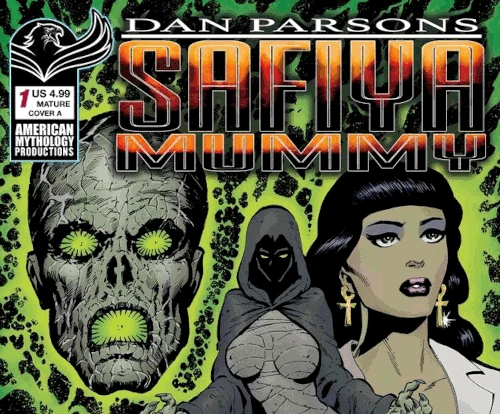
Dan Parsons Safiya Mummy
7 hours ago
8

Inside the Real Dispute Over the Late Dolly Parton’s Estate
13 hours ago
7



Nine Years of Bleeding Fool and Still Not Asking Permission
18 hours ago
8
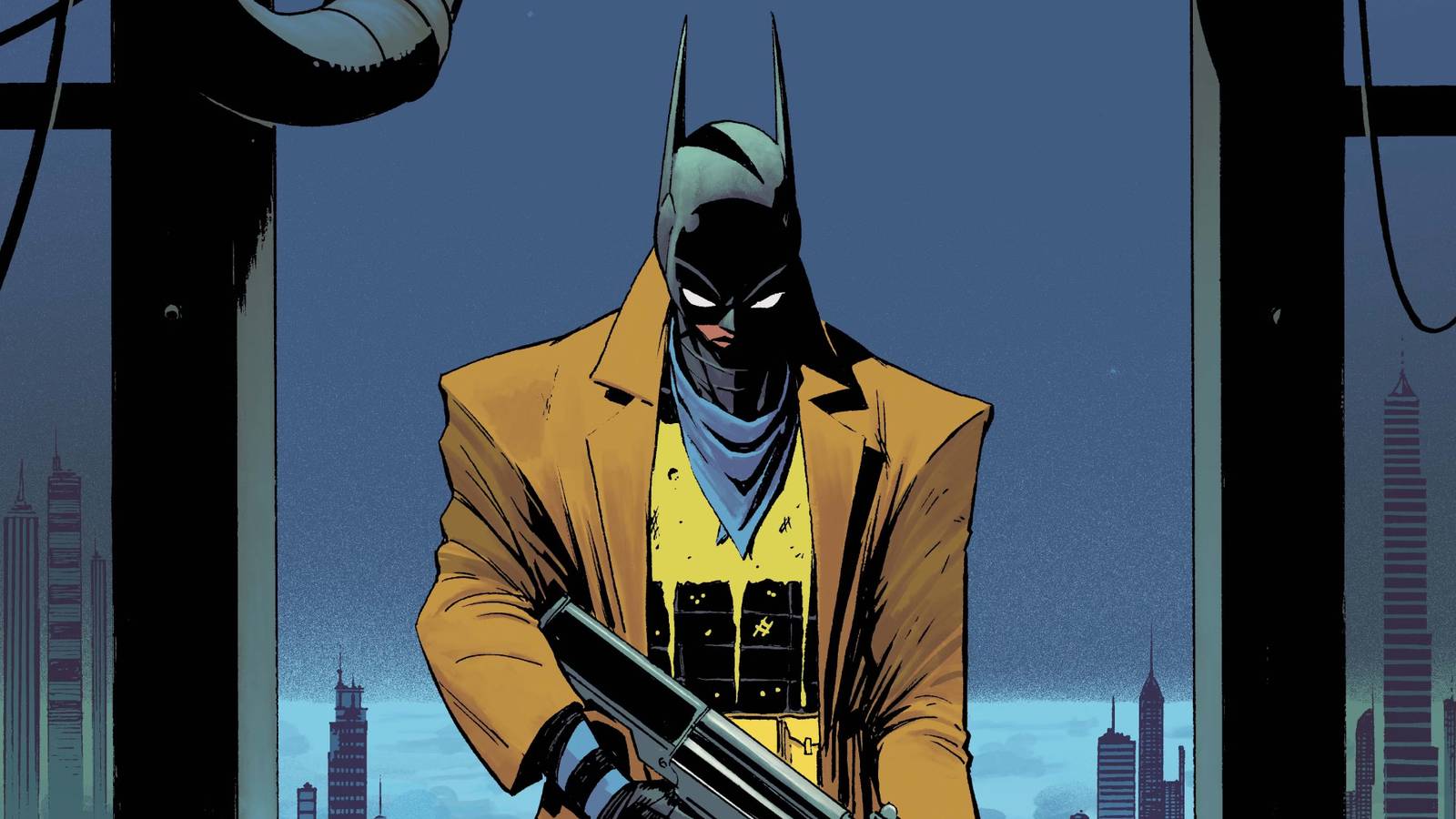
Absolute Batgirl’s Solo Story Gets A First Look At NYCC
18 hours ago
8

Emmys Leave Broadcast TV for Free Prime Video Streaming
20 hours ago
8

Popular
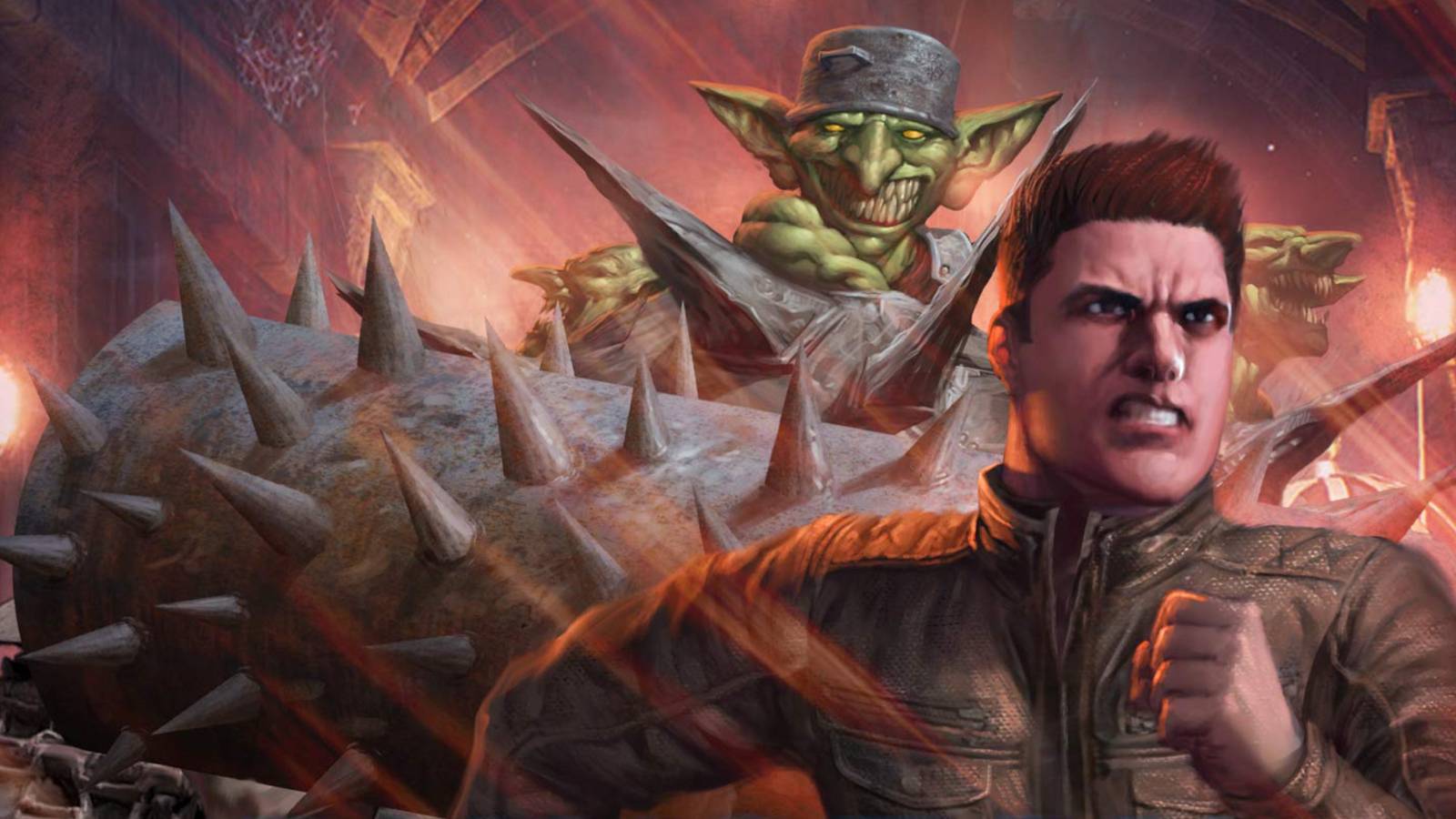
Dungeon Crawler Carl Announces Free Limited-Edition Release
2 weeks ago
118


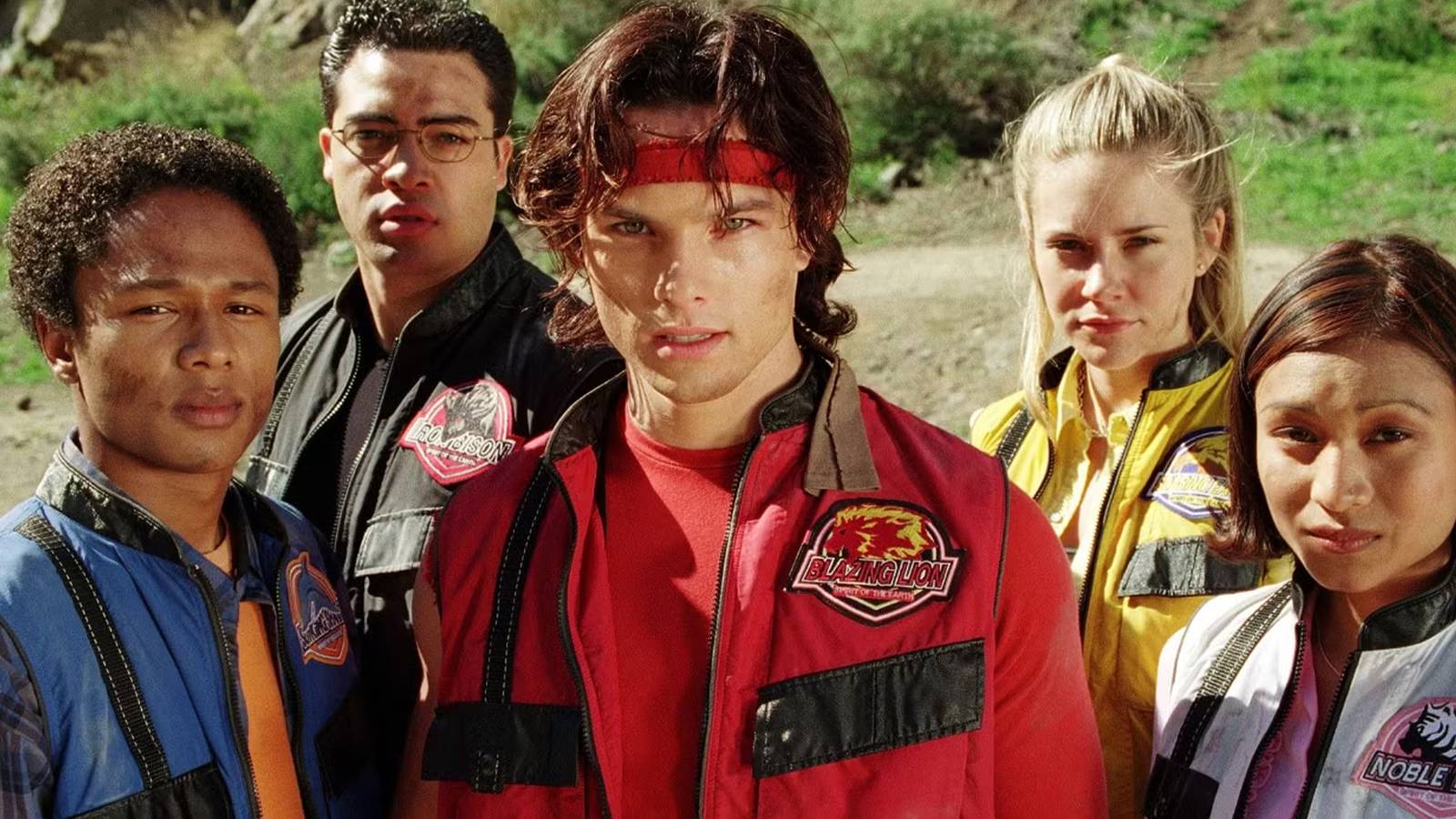
Power Rangers Confirms Two Fan-Favorite Eras Are Returning
3 weeks ago
87


Girl Comics #1 (2010)
4 weeks ago
71


 English (US) ·
 © Clint's Comics 2026. All rights are reserved
