

Netflix has officially reached an agreement to buy Warner Bros. Discovery, the parent company of HBO Max, in an $82.7 billion deal. The sale marks one of the largest media mergers in entertainment history and puts Netflix in control of some of Hollywood’s most recognizable film and television brands.
“Our mission has always been to entertain the world,” said Netflix co-CEO Ted Sarandos. “By combining Warner Bros.’ incredible library of shows and movies—from timeless classics like ‘Casablanca’ and ‘Citizen Kane’ to modern favorites like ‘Harry Potter’ and ‘Friends’—with our culture-defining titles like ‘Stranger Things,’ ‘KPop Demon Hunters’ and ‘Squid Game,’ we’ll be able to do that even better. Together, we can give audiences more of what they love and help define the next century of storytelling.”
David Zaslav, CEO of Warner Bros. Discovery, described the merger as the joining of “two of the greatest storytelling companies in the world.” He said the deal will help deliver entertainment “to even more people” and ensure that Warner Bros.’ legacy remains a central part of global culture.
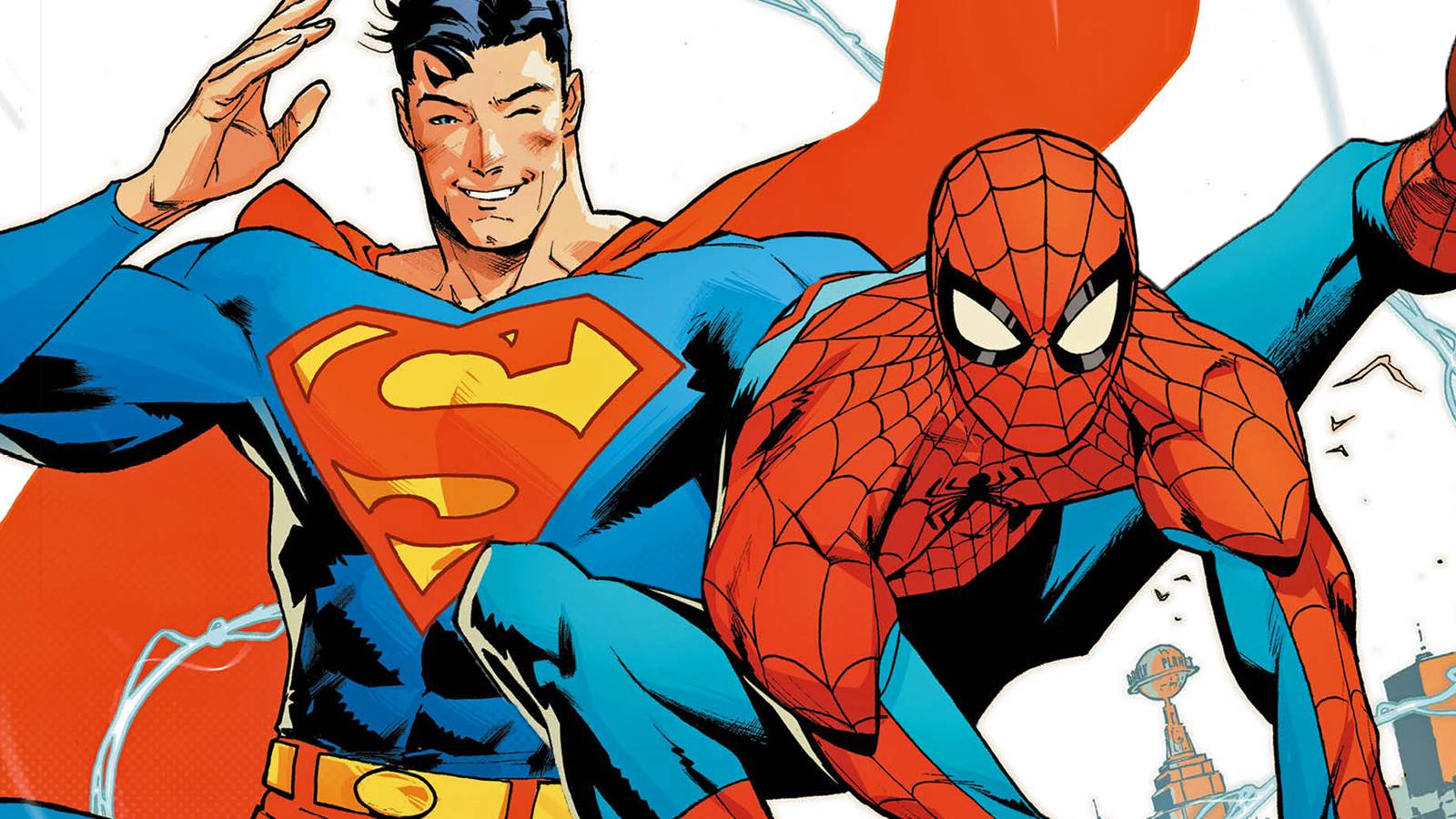
One immediate question for fans and filmmakers is the future of the DC Universe under James Gunn. Many wondered if Gunn’s lineup of DC movies would survive a Netflix takeover, since the company has traditionally avoided major theatrical releases. Netflix has historically pushed to debut most of its titles on streaming platforms with only limited runs in theaters.
Reports earlier this year indicated that Netflix executives had assured Warner Bros. Discovery management they would preserve the studio’s theatrical commitments. This approach appears consistent with the company’s latest statements suggesting that DC and other Warner films will continue receiving theater-first distribution, followed by streaming availability on Netflix. If those assurances hold, Gunn’s DCU films should continue hitting the big screen before landing online, but don’t tell that to the “Snyder bros” who insist this means Zack Snyder’s vision of the superhero universe will return.
Netflix’s decision to retain Warner’s theatrical operations could mark a shift in the company’s broader strategy. In recent years, Netflix has experimented with limited theatrical releases for projects such as Greta Gerwig’s adaptation of The Chronicles of Narnia. Owning Warner Bros. could give the company a stronger footing in the theater business, potentially leading to expanded cinema runs for Netflix-backed productions.
Industry response to the deal has been mixed. Some see it as a natural evolution of the streaming wars, while others view it as a major threat to Hollywood’s balance of power. Earlier this week, Variety reported that a group identifying themselves as “concerned feature film producers” sent an open letter to Congress urging lawmakers to investigate the deal’s antitrust implications. The unsigned message, sent to both parties in Congress, warned that the merger could “destroy” the theatrical film marketplace by reducing the cinema window before movies move to streaming.
The letter cited concerns that Netflix could wield overwhelming control over theatrical scheduling and licensing fees, effectively pressuring smaller studios and theaters. It also reminded lawmakers that Sarandos has publicly stated, “Driving folks to a theater is just not our business.” The group argued that Warner’s output could become limited to short two-week runs before moving online, though individuals close to the deal disputed that claim, saying Netflix intends to keep longer windows for major releases.
Competing bidders such as Comcast and Paramount had previously pledged to maintain Warner Bros. as a standalone studio with guaranteed annual theatrical production. Paramount reportedly committed to producing at least 14 theatrical films per year if its offer had been accepted. For comparison, Netflix’s $82.7 billion purchase of Warner Bros. Discovery dwarfs Disney’s acquisitions of Marvel and Lucasfilm. Disney bought Marvel Entertainment in 2009 for about $4 billion and acquired Lucasfilm in 2012 for approximately $4.05 billion. Netflix’s deal is roughly 20 times the size of each of Disney’s landmark purchases, reflecting Warner Bros. Discovery’s status as a full-scale media conglomerate rather than a single franchise.
Some writers and producers have described Netflix’s victory as a damaging blow to traditional Hollywood. They argue that the company’s control over Warner Bros., HBO, and DC could reduce competition and further consolidate creative decision-making, even worse, this means in the rising AI wars, Netflix now owns some of the biggest global IP ever made with Batman and Bugs Bunny now available to create AI content. “This is a very sad day for the whole industry,” one longtime producer said, referring to Netflix’s success as “a checkmate against legacy Hollywood.”
The Federal Trade Commission is expected to review the deal given its size and potential impact on the streaming market. Analysts have noted that the merger could push Netflix’s market share above 30 percent, a figure that might invite regulatory scrutiny. Despite that hurdle, both companies expressed confidence that the transaction will move forward next year.

For now, Netflix has not said whether HBO Max will continue under its current name. Some insiders predict Netflix may keep HBO as an internal label for original productions rather than merging it directly into its core platform. Others believe the company will shutter HBO Max entirely to avoid brand confusion.
What happens next could define the structure of the entertainment industry for decades. As artificial intelligence reshapes creative production and streaming reshapes viewing habits, Netflix’s control of Warner’s vast catalog—from Superman to Daffy Duck—gives it unprecedented influence over what audiences watch and how they watch it, and a powerful IP catalog to exploit advances in articificial intelligence generated content. Regulators and lawmakers must now decide whether that concentration of power is too much for one company to hold.
***












 English (US) ·