

When you’ve been around for a while, you get used to predictions of doom and gloom that never come to pass. Whether it’s the Population Bomb, The Coming Ice Age, Global Warming or Y2k, there’s always something new and fresh to worry about that will never happen.
I think the same thing is true with Artificial Intelligence. The chief threat I’m aware of is that – like the other panics – it’s going to waste a lot of time and resources and produce nothing useful. I mean, at least Y2K was good for generator salesmen and camping food retailers. Dispensationalist Christian authors also cleaned up financially, but for most people it was kind of a drag.
AI is likely to be the same sort of situation, because if you strip away the hype, it’s just a search engine with a personality grafted onto it. It still suffers from Garbage In, Garbage Out in terms of producing useful data. This is a crippling weakness in many respects, but on the plus side, it means that if you feed AI top-quality data, it can recombine it and give you something useful.
All of which to say is that rather than pay talentless hacks to generate hot franchise-trashing garbage, one could more profitably feed the best of the scripts of all a property’s films, shows and books into an AI and have it spit out stories ten times better than Starfleet Academy.
This is why Hollywood writers consider it an existential threat, because for them it is an existential threat.

World-Historic Cringe
I’m no stranger to awful programming. My Iron Triangle of podcasters – Disparu, Nerdrotic and Critical Drinker – have gotten me through some real clunkers, but Starfleet Academy is taking the pain to an entirely different level. With Star Wars the Acolyte or Rings of Power, I could savor the viewpoints of all three, eagerly anticipating the differing takes on the crappy material, but that’s not possible now. I have to take breaks mid-episode because it’s so bad that I feel like I’m trapped in a Lovecraftian nightmare, my mind reeling and insanity threatening to overwhelm me. Are those idiot flute players I hear? Are we sure Alex Kurtzman isn’t the Black Goat of the Woods with a Thousand Young? Ia! Shub-Niggurath!
Sorry. Had to take a break and watch Kentucky Ballistics for a palate cleanser.
What’s insane is that it’s not just one thing, it’s everything. It’s all trash. The lore, the dialog, the complete lack of continuity or common sense. I’m pretty sure my 4-year old grandson could tell a better, more consistent story. At the very least he would leave out gratuitous in-your-face depravity. The whole flirtation with the gay Klingon thing almost made me retch.
How many writers created this pile of slop? Ten!? And four directors!? Yeah, this thing is crying for AI.

Join The Coast Guard!
Desperate times call for desperate measures. My advice to aspiring writers who want to avoid AI replacement is simply this: get out and live a little. Consider getting experience outside of the coffee bar and dorm room. Military service can be a pain, but the Coast Guard Reserve is pretty low-effort. You only serve for one weekend a month plus two weeks a year, and they even hire writers and photographers! Got a degree? Go for a direct commission and you get to be a real-life ensign! In addition to pay and benefits, you’ll never have to worry about writing a space show featuring a barefoot captain treating the bridge like a Starbucks book nook. I mean, unless you’re joking.
You could even write a book or even a show about your experiences! I bet a show about the Coast Guard would be lit. All sort of interesting things happen, and you could have the boat move around, or the crew transfer to a different ship so one season is off Alaska, the other the Gulf of America and so on. You could even turn incidents into fodder for Star Trek episodes.
Okay, so maybe you don’t have to enlist, but you could perhaps call the Public Affairs office and ask for a tour of a cutter. Anything to get you an idea of how the real world works.
You can also meet actual adults who carry themselves properly, using formal, respectful language, maintain a military bearing and are actually competent. Instead of self-inserting your neuroses or favorite Glee characters, you might base the captain on someone who wears shoes on duty and understands the concept of serving something other than your own ego.
The writers and production staff of the original TV series understood the world, and many of them being military veterans. Gene Roddenberry was an Army Air Corps pilot turn airline pilot, turned cop. James Doohan (Scotty) had to use “stunt hands” to operate the instrument panels because one of his fingers was shot off on D-Day.
All of these were replaced by coddled nepotist diversity hires, and it shows.

The Withered Vine
As an industry, Hollywood is still quite young. Talking films will only turn 100 next year. Golden Age performers were still active into the 1980s. It’s worth noting that Star Wars got a huge boost by having Sir Alec Guinness take a role, because an actor of his immense stature brought immediate credibility to the film and I don’t think anyone could have sold the idea of The Force better than he did (which is even more impressive when you consider he thought the very concept was rubbish).
Hollywood’s Golden Age came about when it was full of innovators and risk-takers, when there was no template to follow, either to make films or star in them. This creative explosion instantly became part of the fabric of American society and gave us films that are every bit as good and relevant to the human condition today. Adding to this intense meritocracy was the flood of European artists fleeing from wars and the threat of wars.
The threat of television as a rival medium ushered in the Silver Age, which featured many of the same actors now in more mature roles as well as a new generation of talent on both sides of the camera. To compete with home entertainment, movies had to be bigger, in full color with lush soundtracks. Spectacle was just as important as story, and while the Hayes Code remained in place, it was still possible to address sensitive topics if one used sophistication and nuance.
The Bronze Age was ushered in by the collapse of both the Hayes Code and the studio system, and that brought us many of the film franchises that are still wandering around Hollywood today in a rotting, zombie-like state. The Old Guard was dying off or retired, but the young guns had grown up studying their work, and brought innovative new techniques and technology to the table. This was the age of the blockbuster, Jaws and Star Wars, and its glow remained with us into the current century.
During all of this time, Hollywood was not particularly original in its storytelling. From the very beginning book adaptations were a prime source of material, going from Gone with the Wind and The Wizard of Oz all the way through to Lord of the Rings and Harry Potter. Putting stage productions on film was another well-developed source of inspiration, from classic Shakespeare to Broadway musicals. Original screenplays were less common, and even these were often heavily derivative, which was certainly the case in Star Wars and Star Trek. The trick was that they culled the best material and combined it in a new and interesting way.

We are now in the Recycled Plastic Age, driven by woke nonsense and inferior versions of superior products. The industry is hideously inbred, no longer seeking fresh new talent but just the latest offerings from glorified finishing schools. As mentioned above, Star Wars Academy requires ten writers and four directors to turn out this unwatchable goo, pretty much the antithesis of the 1970s idea of the visionary director/auteur.
Adding to the problem there is the total consolidation of the entertainment industry. Starting with the Silver Age, the studios began to lose their independence and be consolidated into larger conglomerates, only to be sold or spun off later. Upstarts emerged, but with the exception of Angel Studios, every production company is owned by an entity whose prime business is something else. Not only have the studios been absorbed, the back catalog and IPs have been packaged and bundled into monolithic entities as well. It’s not enough to monopolize the means of production, Hollywood now seeks to monopolize creativity itself.
This is why AI is emerging, because it promises greater efficiency at far less cost. If you are a studio built on ideas and creativity, trying to come up with the next hot new thing, it is anathema to you. Your business model is based on creating a diverse slate of offerings produced on a modest income and willing to test out new talent in the hopes of scoring a massive hit.
The new idea is to create standardized predictability devoid of risk where each film is guaranteed a percentage of profit predicted by the size and enthusiasm of its fan base. This might have worked to an extent, but the product is stale and the mind-destroying woke ideology has crippled the effort.
This is why AI does not pose a major threat to creators, because those using it have no idea what good product even looks like. They green-lit Starfleet Academy, Star Wars the Acolyte, and countless other clunkers. They spectacularly misread demographic studies about the audience and appealed to people who don’t exist. They can feed stuff into an AI, but GIGO still very much applies, and I guarantee you that the guardians of the input will not permit films that are considered patriarchal, religious, homophobic or trans-exclusionary to be included in the mix.
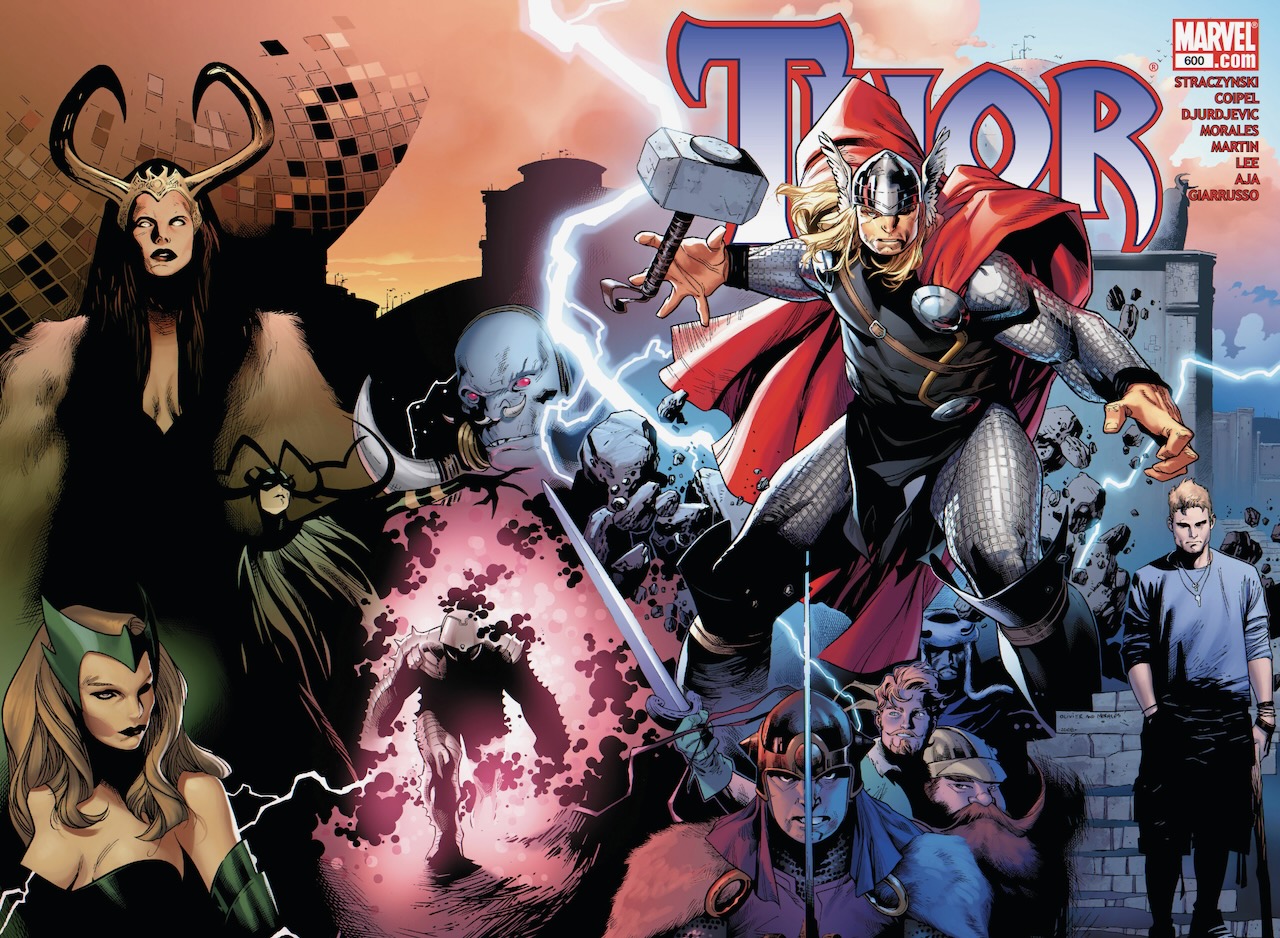
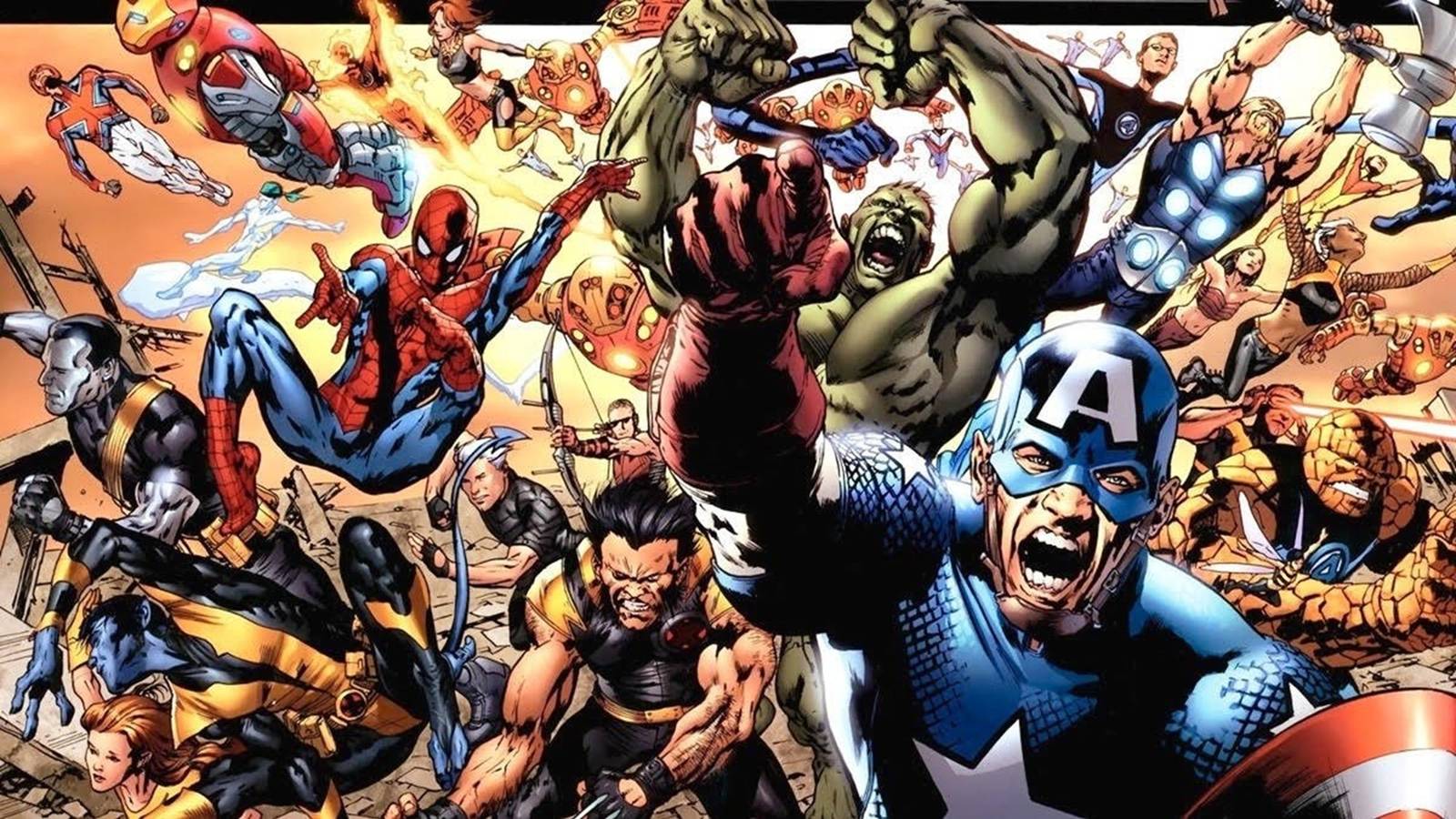
As the rest of society throws off the shackles of political correctness, opportunities will emerge to make new studios, just as independent comic book producers are coming into their own. Be ready for it by going out and living a little.
***





 English (US) ·