
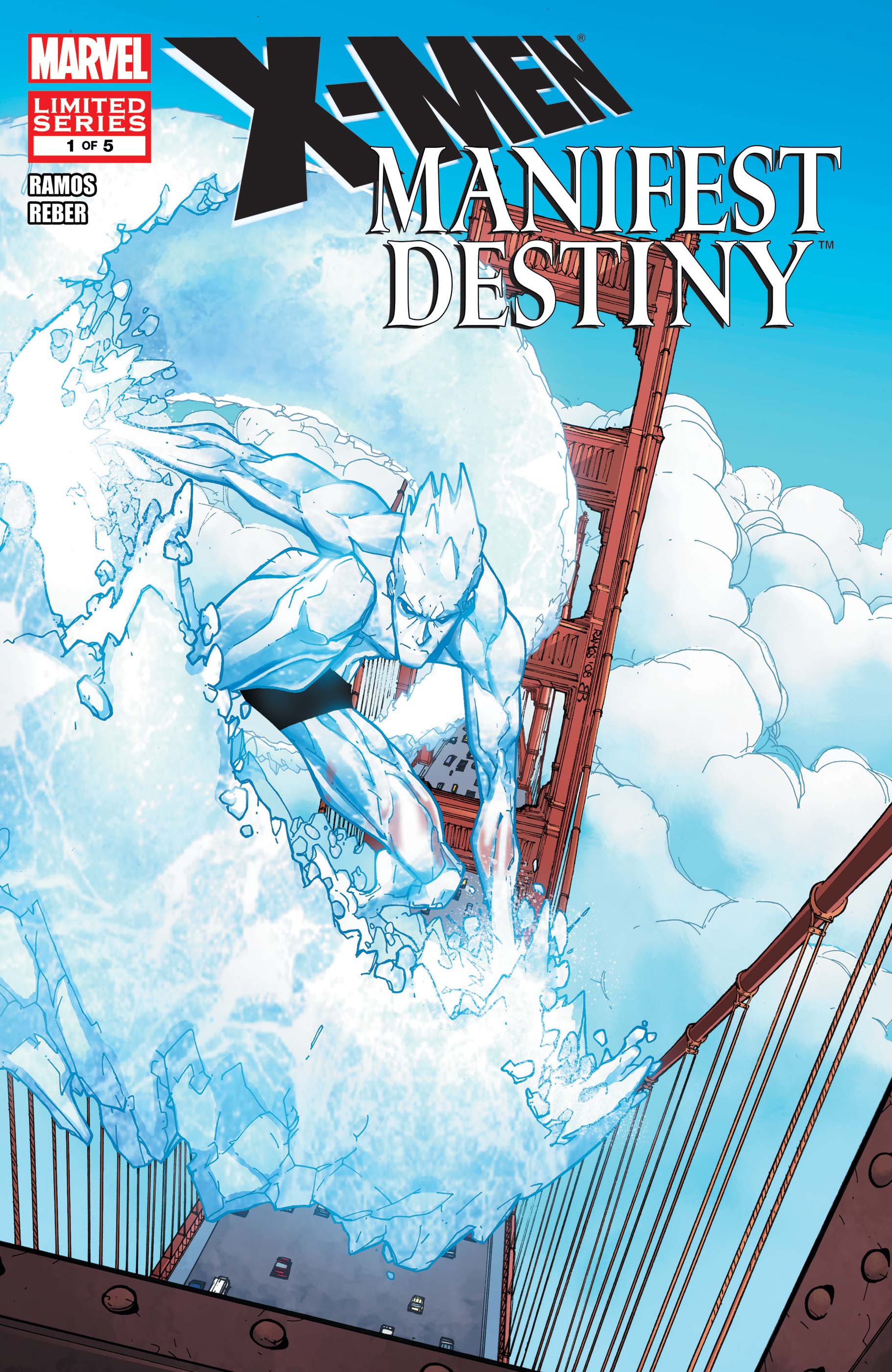
“Manifest Destiny” is the “new” phase of mutantdom but honestly it feels kinda late. In the wake of M-Day, with their numbers now in the hundreds, the team moves to San Francisco to emphasize survival at all costs. But with so many events happening back-to-back-to-back, it feels like House Of M happened a long time ago so why is this happening now?
Storywise, this miniseries is a bunch of short stories that try to give individual members face time. Some stories continue across multiple issues (Iceman is in all five, for example). Others are just a few pages and done. As with most anthologies, your results will vary tremendously from tale-to-tale.
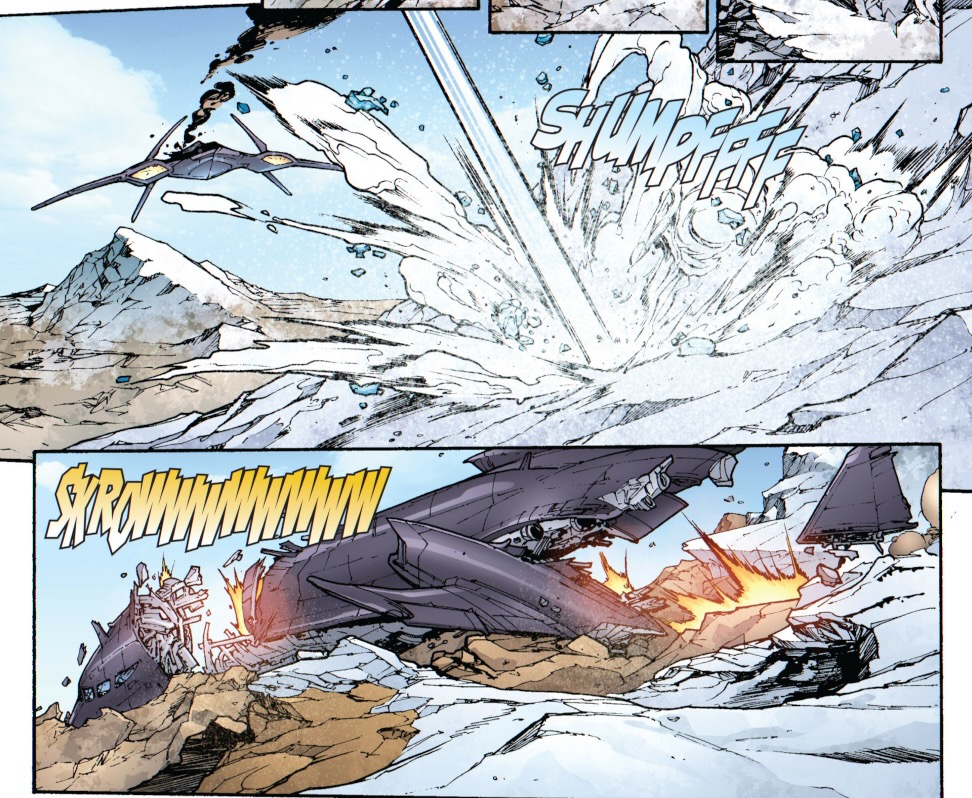
Iceman has been having trouble controlling his powers. He faces off against Mystique, who disguises herself as Opal Tanaka to have sex with him, blows up their plane after kicking Iceman off, then disguises herself as his doctor in the emergency room. She basically spends all five issues f-ing him and f-ing with him, until finally faking her own death and curing Iceman of his power-malfunctioning.
The second story in issue #1 has art by Chris Burnham, who I enjoy. It also focuses on Boom-Boom who, other than as a member of NEXTWAVE, hasn’t gotten much facetime. Good choice for a solo story. She takes on a mutant called Nuwa, who we haven’t seen since X-Force in the mid-90s. She has the power to make people fall asleep, and Boom-Boom defeats her by drinking lots of coffee.
I said it was a well-drawn story about a character who deserves some solo time. I didn’t say it was a GOOD story.
Another story about a character in need of more development is the story of Jonas Graymalkin, who is one of the murkier of the newer charcters. We learn that he is hundreds of years old and is gay. Is that important? I dunno. Iceman’s gay, too, but he bangs Mystique in this series.
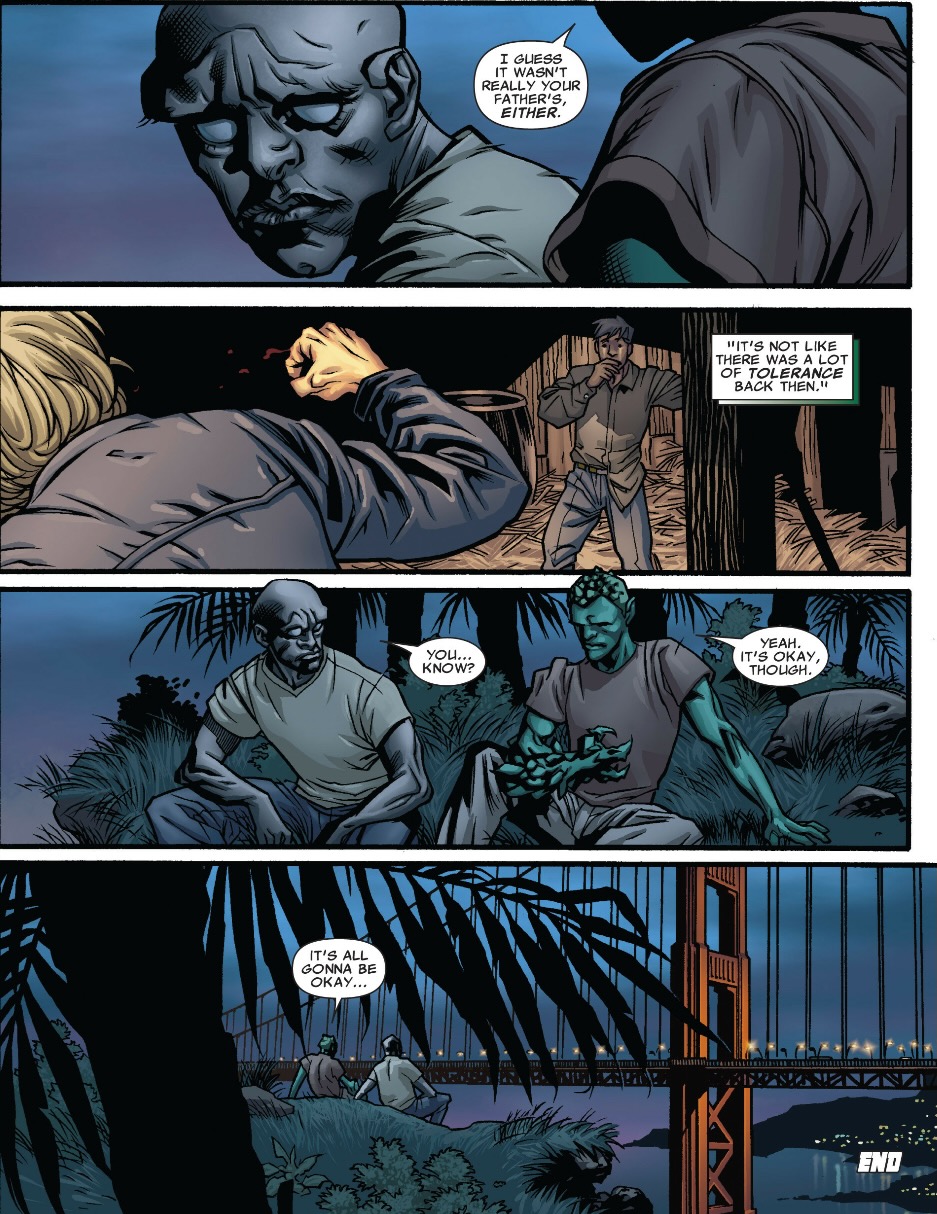
It’s done well, though. We see in flashbacks that Graymalkin’s father beat him nearly to death and then buried him alive when he found out his son’s “secret,” which we assume is that he’s a mutant but in the end we learn that it was because he’s gay–and Graymalkin gets some empathy from Anole.
Colossus is sad about Kitty being gone but brightens up when he helps a little girl get her cat out of a tree. Mercury of Young X-Men is sad, too, because her parents don’t like her. And Nightcrawler’s sad as well because he doesn’t like the way he looks.
Yeah, sadness is a theme. It does make these issues drag a bit. It feels like at least a dozen major characters are all dealing with the same issue, so it can be a bit samey-samey.
The other recurring theme throughout is about people who were bad guys before they were good guys, or whose alliegance has never been clear.


Karma has a training session and thinks about her life while dealing with her twin sister and brother. Emma Frost struggles with her past as a villain then Logan makes her cry when he tells her they all love her anyway. Juggernaut gets a story where he ties to decide whether to be a hero or villain. I like that this is kinda meta given the character’s history is so ambiguous on that issue.
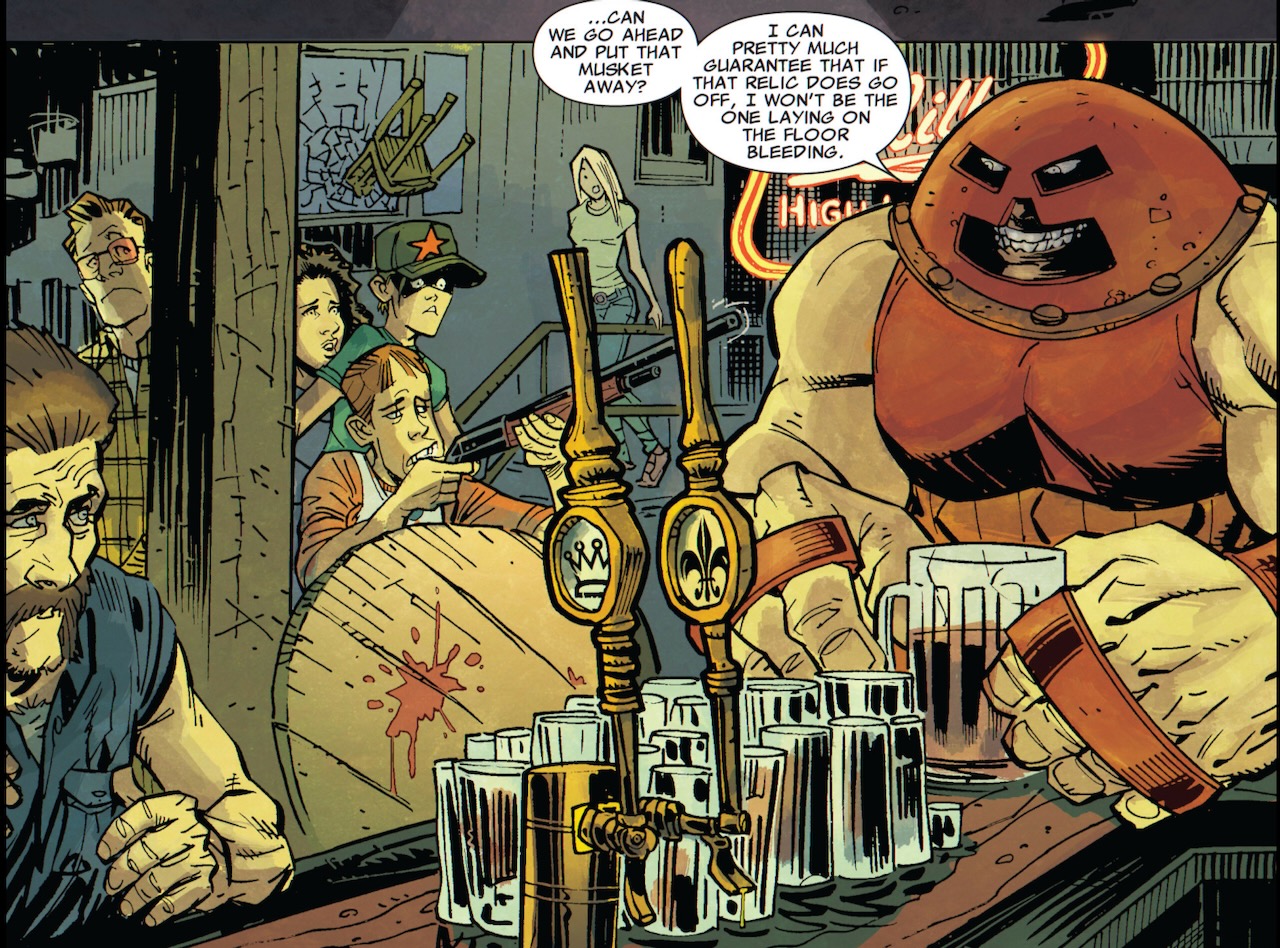
He’s looking quite evil there, though. Dan Panosian’s art is terrific and the script is solid. This is one of the best of the lot here. Avalanche as a solid “I’m not bad anymore” story where we see that he’s retired and owns a bar.
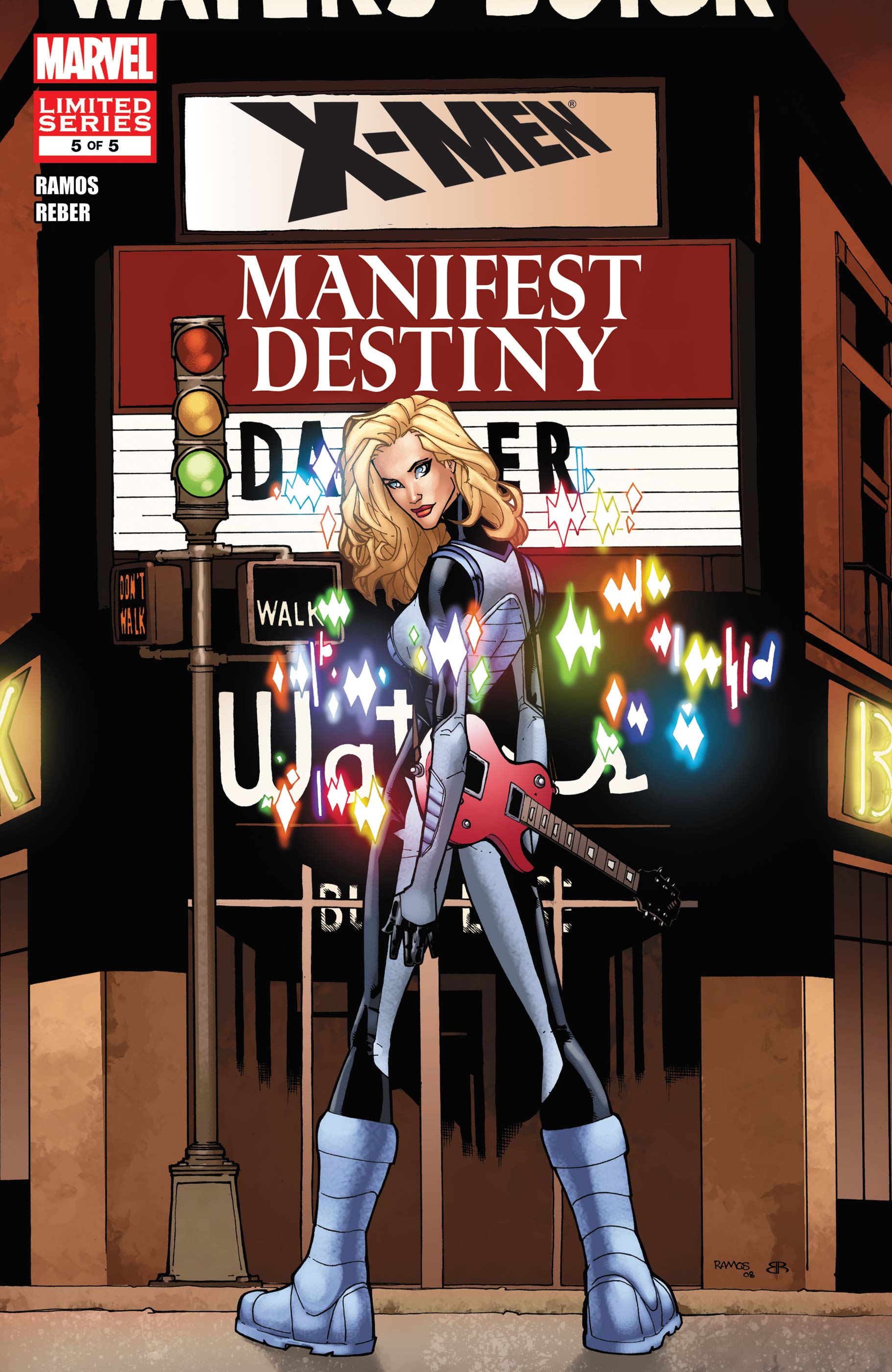
Wrapping the series up, Dazzler fights Man Mountain Marko, who is drunk on a plane. What a dick. I hate people who do that. Anyway, Dazz sings and beats him and it turns out a local music agent is on the flight and offers her a job. Guess where?
San Francisco!









 English (US) ·